Introduction to Vermilion
Explain the formation and function of vermiculite
Vermiculite is a natural, inorganic, non-toxic mineral that expands under high temperature. It is a relatively rare mineral and belongs to silicate. Its crystal structure is monoclinic, and it looks like mica. Vermiculite is produced when a certain granite is hydrated. It is generally produced at the same time as asbestos.
Because vermiculite has the ability to exchange ions, it has a great effect on soil nutrition. Vermiculite is a layered silicate with a clay mineral similar to montmorillonite. It is generally formed by hydrothermal alteration or weathering of biotite. It sometimes appears as coarse biotite (this is the biotite illusion of vermiculite), and sometimes it is so fine that it becomes soil-like.
When vermiculite is heated to 300℃, it can expand 20 times and bend. At this time, vermiculite is a bit like leeches (commonly known as leeches), so it has such a name.
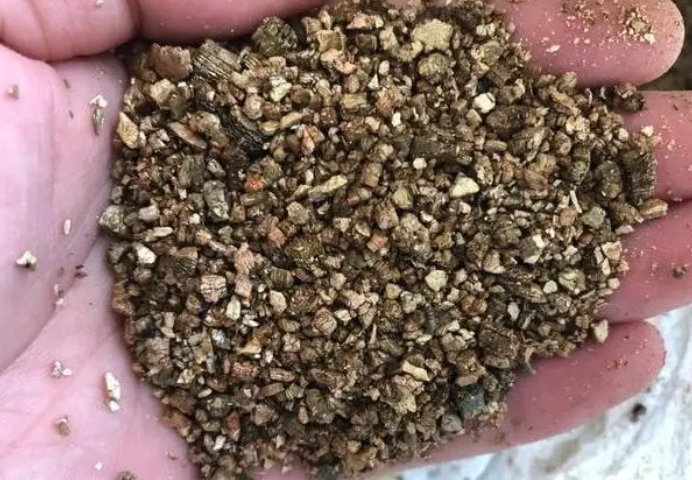
Vermiculite is generally brown, yellow, dark green, has an oily luster, and turns gray after heating. Vermiculite can be used as building materials, adsorbents, fireproof insulation materials, mechanical lubricants, soil conditioners, etc., and has a wide range of uses.