How to Use Carbide Tipped Woodturning Tools: A Guide for Precision and Durability
Carbide tipped woodturning tools have revolutionized the world of woodworking by offering enhanced durability, precision, and ease of use. Whether you're a beginner or an experienced woodturner, learning how to effectively use these tools can significantly improve your craftsmanship.
Carbide tipped woodturning tools have revolutionized the world of woodworking by offering enhanced durability, precision, and ease of use. Whether you're a beginner or an experienced woodturner, learning how to effectively use these tools can significantly improve your craftsmanship. This guide will cover everything you need to know about using carbide tipped woodturning tools, from their advantages to practical techniques.
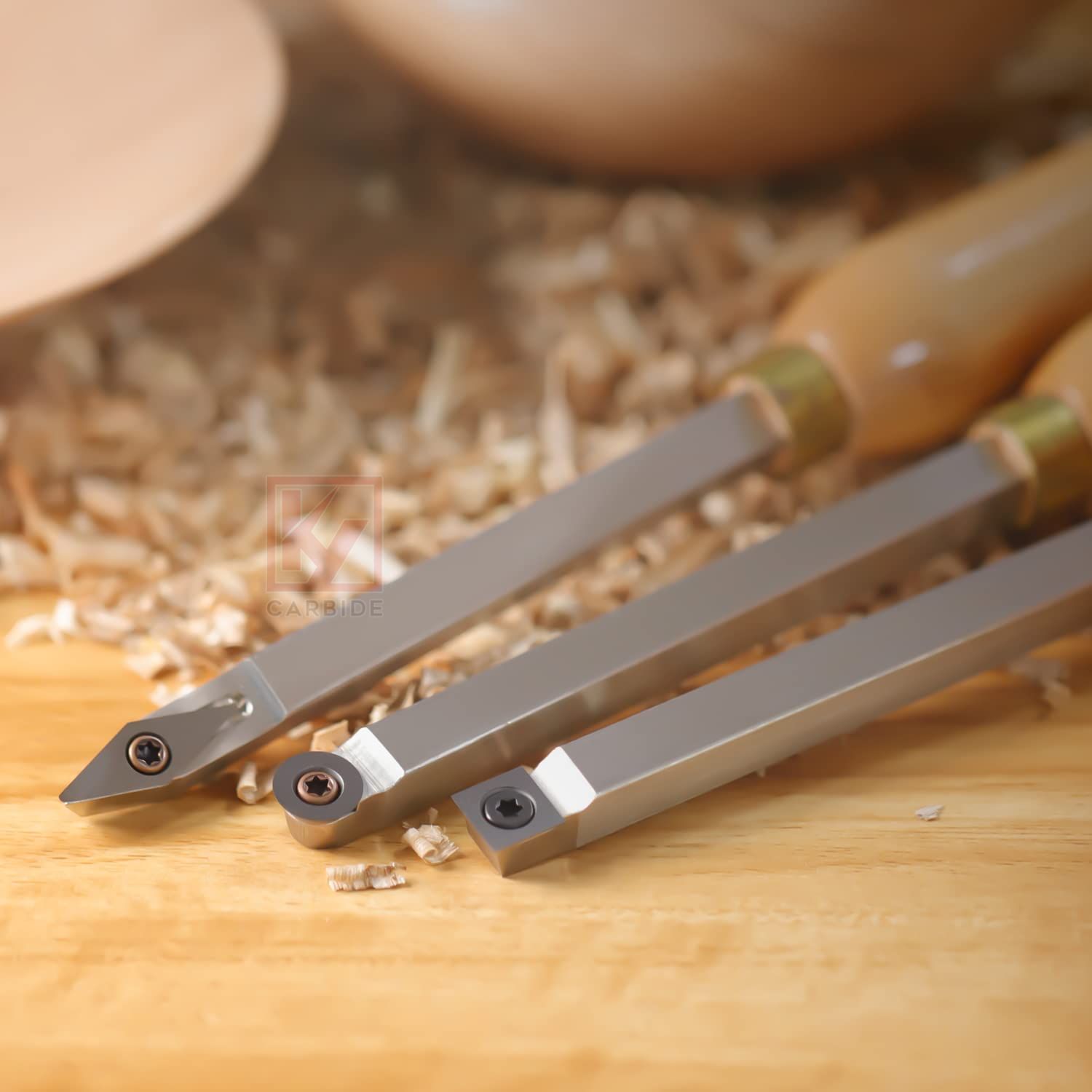
1. Why Choose Carbide Tipped Woodturning Tools?
Durability: Carbide tips are significantly harder than traditional high-speed steel (HSS) tools, meaning they stay sharp longer and require less frequent sharpening.
Ease of Use: These tools are ideal for beginners because they are less prone to catching on the wood, offering a smoother learning curve.
Precision: Carbide tipped tools maintain their edge well, providing consistent, precise cuts with minimal effort.
2. Essential Carbide Tipped Woodturning Tools
Roughing Tools:
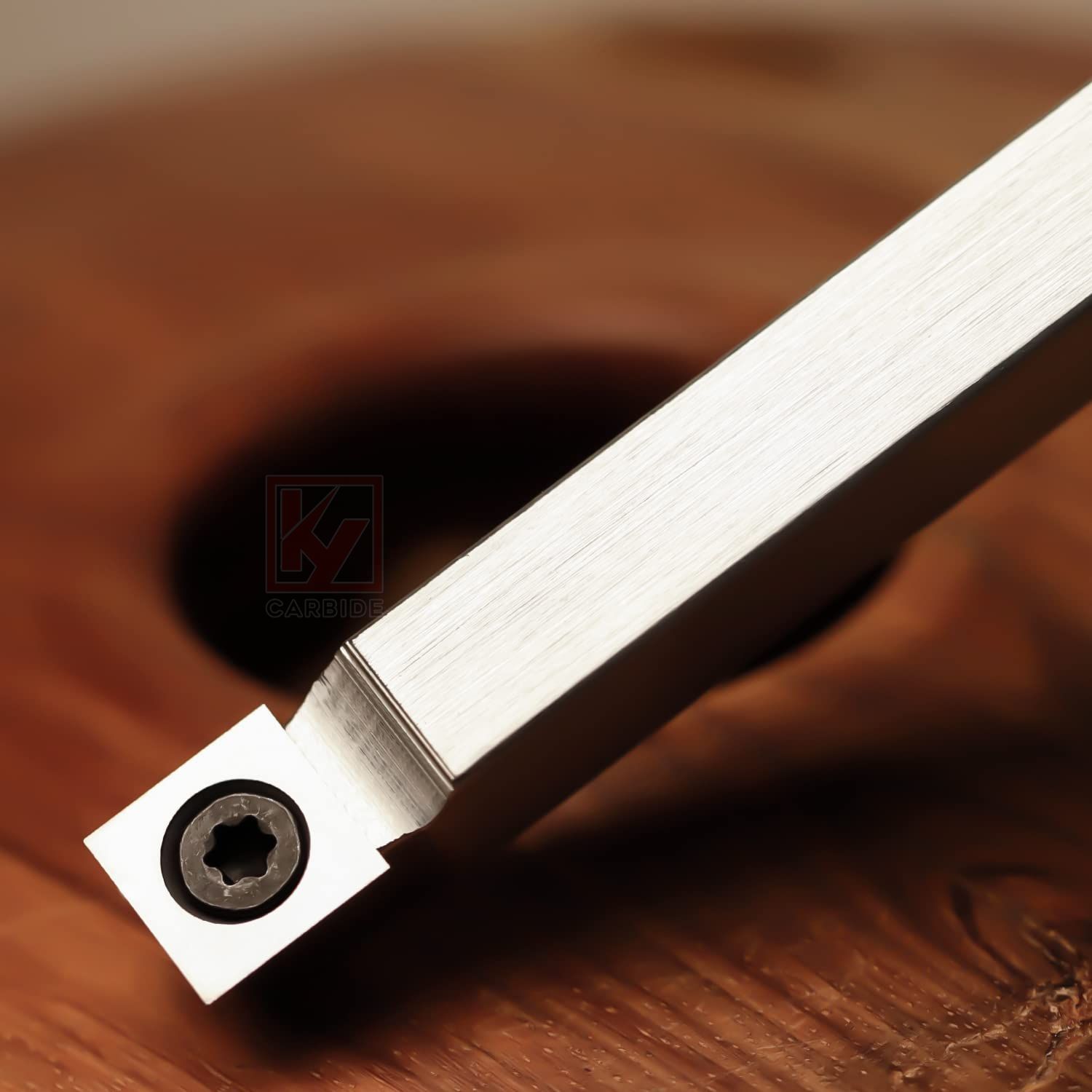
- Square Carbide Tool: Ideal for roughing out large sections and creating flat surfaces.
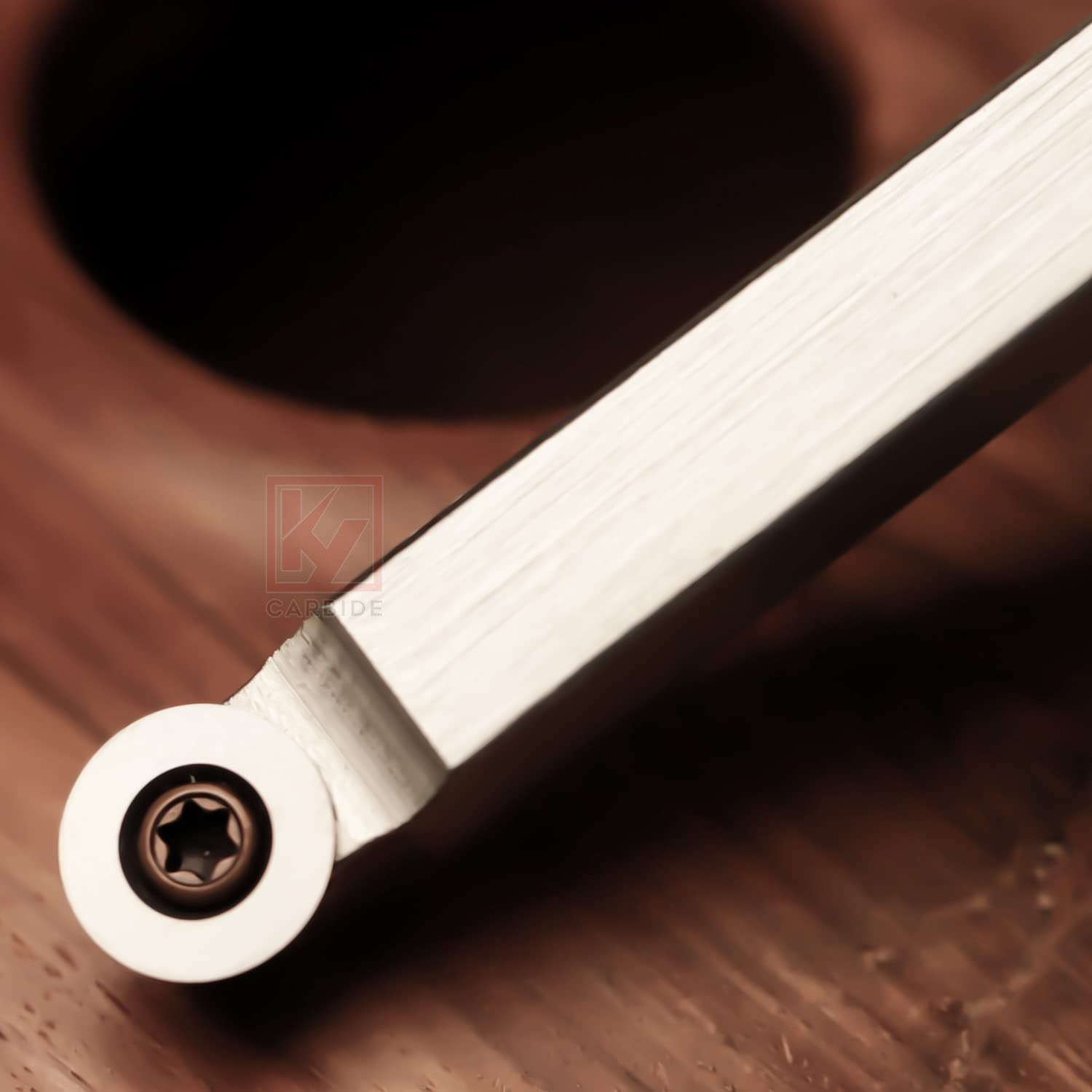
- Round Carbide Tool: Great for shaping and smoothing curves, as well as working on the interior of bowls.
Detailing Tools:
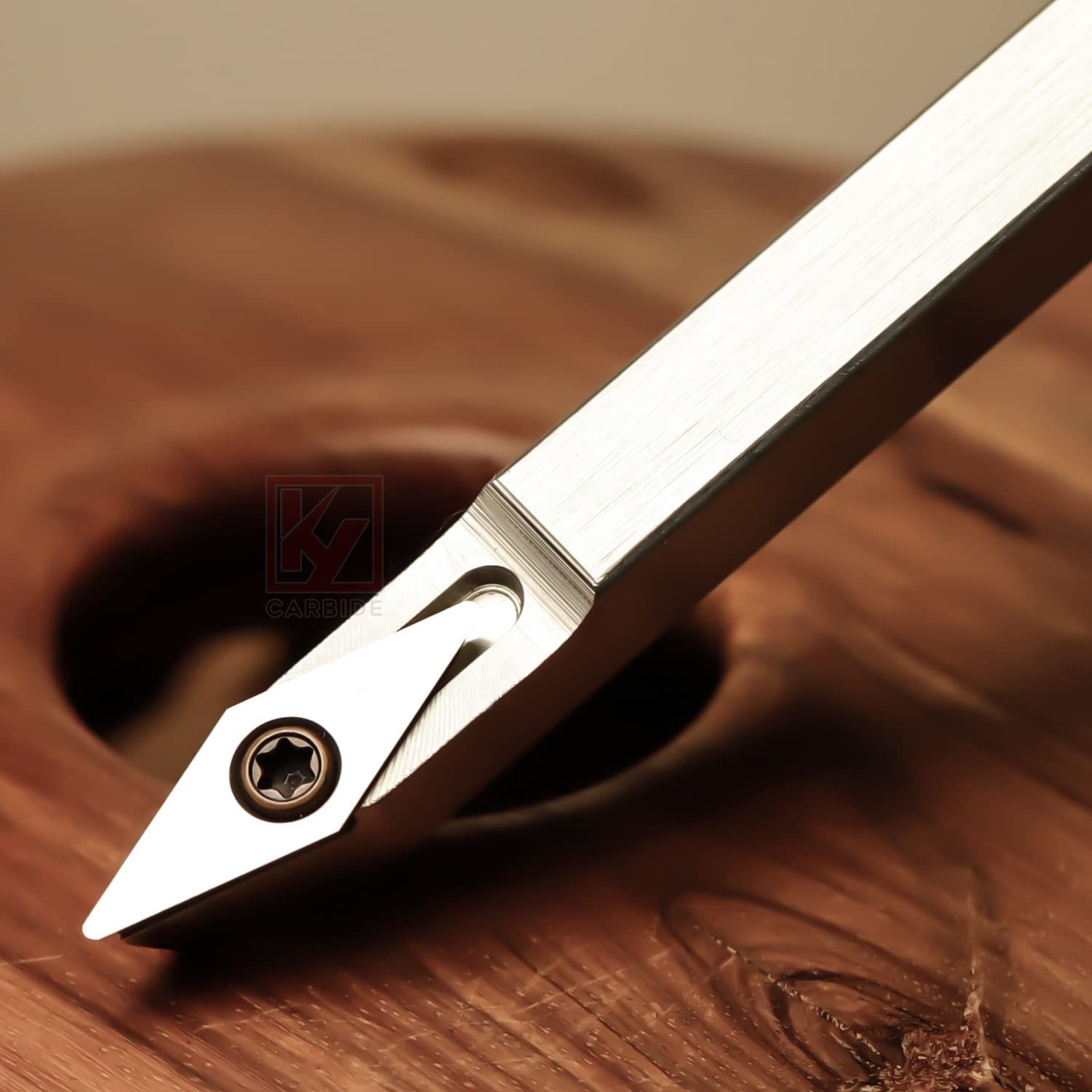
- Diamond Carbide Tool: Perfect for creating intricate details, sharp lines, and clean transitions.
- Radius Square Carbide Tool: Offers a versatile option for both roughing and detailing work, providing smoother cuts.
3. How to Use Carbide Tipped Woodturning Tools
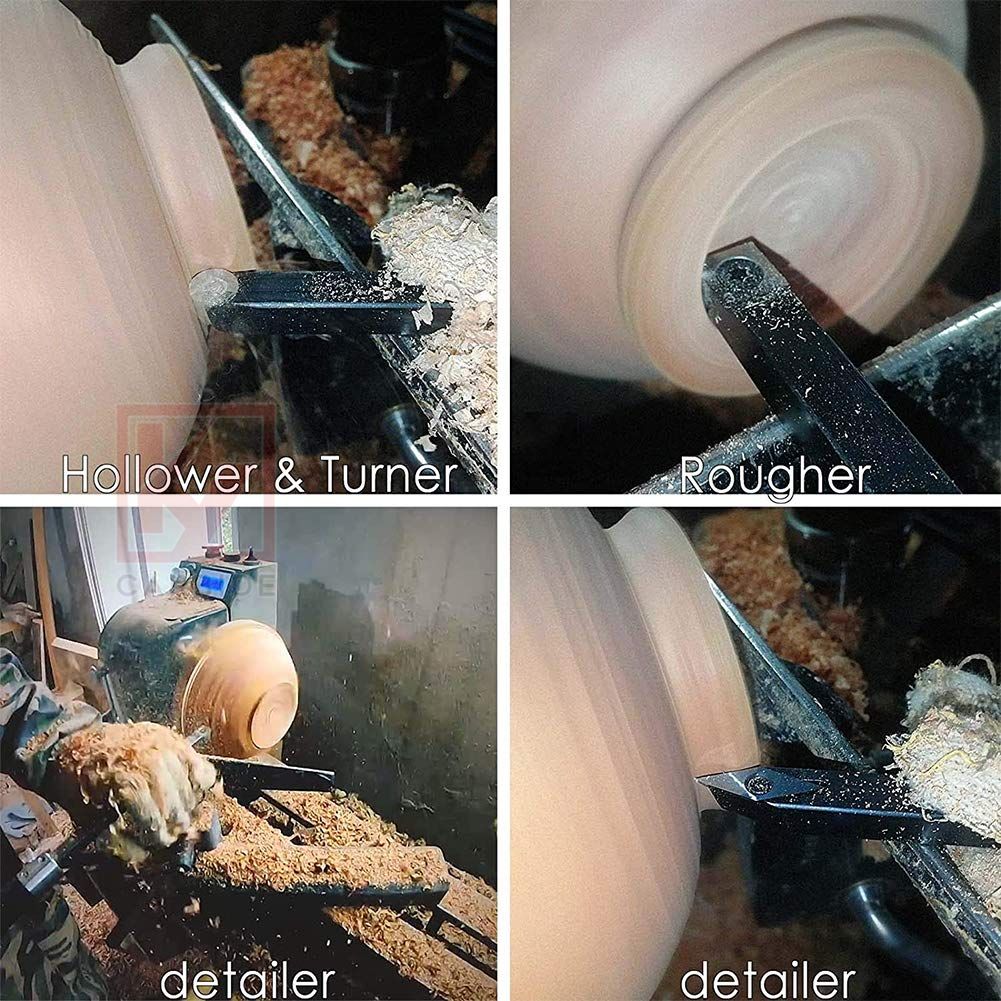
Tool Selection:
- Choose the Right Tool for the Job: Select a square carbide tool for roughing out, a round tool for shaping, and a diamond tool for fine details.
Tool Presentation:
- Proper Angle: Hold the tool at a slight angle to the wood surface, typically around 45 degrees. This helps the carbide tip engage the wood smoothly.
- Stable Grip: Ensure you have a firm grip on the tool handle and maintain control throughout the cut.
Cutting Techniques:
- Roughing Out: Use the square or round carbide tool to remove large amounts of material quickly. Keep the tool rest close to the workpiece for better control.
- Shaping: Once roughing is done, switch to a round carbide tool to refine the shape. Move the tool along the contour of the wood in smooth, even passes.
- Detailing: For intricate details, use the diamond or radius square tool. Work slowly and carefully to create sharp lines and clean edges.
Sharpening and Maintenance:
- Rotating the Carbide Tip: Unlike traditional tools, carbide tipped tools don’t need regular sharpening. Instead, you can rotate the tip to a fresh edge when it becomes dull.
- Replacing the Carbide Tip: When all edges of the carbide insert are worn, simply replace it with a new one. This is more cost-effective than continually sharpening traditional tools.
4. Safety Tips When Using Carbide Tipped Woodturning Tools
Protective Gear: Always wear safety goggles, a dust mask, and hearing protection when woodturning. Carbide tools can remove material quickly, so it’s important to stay safe.
Tool Rest Positioning: Keep the tool rest close to the workpiece to prevent overextension, which can lead to a loss of control.
Lathe Speed: Adjust the lathe speed according to the size and type of your project. Beginners should start at a lower speed until they become comfortable with the tools.
5. Advanced Techniques with Carbide Tipped Tools
Shear Cutting: Some carbide tools can be used for shear cutting, which involves holding the tool at an even steeper angle to achieve a finer finish on the wood surface.
Hollowing: For bowl turning, carbide hollowing tools can be used to efficiently remove material from the interior of the piece, offering smooth and precise results.
Texturing: Use specialized carbide texturing tools to add unique patterns and designs to your woodturning projects.
6. Conclusion: Mastering Carbide Tipped Woodturning Tools
Carbide tipped woodturning tools offer a blend of precision, durability, and ease of use that makes them a popular choice among woodturners of all skill levels. By understanding how to properly use and maintain these tools, you can elevate the quality of your work and enjoy a smoother, more efficient woodturning experience.