How Low Density Ceramic Proppant is Revolutionizing Oil and Gas Extraction
The oil and gas industry is undergoing a revolutionary transformation with the introduction of low density ceramic proppant
The oil and gas industry is undergoing a revolutionary transformation with the introduction of low density ceramic proppant. These advanced materials have proven to be invaluable in enhancing the extraction process, providing improved productivity and higher returns on investments. In this article, we will explore the importance of low density ceramic proppant, highlight a leading supplier in the field, discuss the different types available, and examine the advantages they offer.
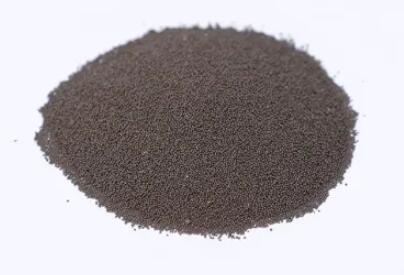
The Importance of Low Density Ceramic Proppant:
The success of oil and gas extraction operations depends heavily on the efficacy of hydraulic fracturing, commonly known as fracking. During fracking, a mixture of water, sand, and proppants is pumped underground at high pressures to create fractures in the geological formation, allowing oil and gas to flow more freely. Proppants, such as ceramic beads, provide support to these fractures by preventing them from closing once the hydraulic pressure is released.
Low density ceramic proppant plays a crucial role in optimizing hydraulic fracturing operations. With their unique physical properties and chemical resistance, these proppants enable enhanced fracture conductivity, ensuring sustained production rates. By facilitating the flow of oil and gas, they enable efficient extraction and maximize the recovery of valuable resources.
Types of Low Density Ceramic Proppant:
1. Alumina-based Proppants: Alumina exhibits exceptional thermal stability and high conductivity, making it ideal for oil and gas extraction in deep and high-temperature reservoirs. Alumina-based low-density ceramic proppants provide enhanced durability, reducing proppant flowback and thus prolonging well productivity.
2. Bauxite-based Proppants: Bauxite proppants are derived from high-quality bauxite ore. These proppants possess optimum strength, excellent sphericity, and low density, making them ideal for unconventional reservoirs. Their unique properties help maintain long-term fracture conductivity, maximizing hydrocarbon recovery.
Advantages of Low Density Ceramic Proppant:
1. Improved Conductivity: Low density ceramic proppants offer higher conductivity compared to conventional sand-based proppants. The more conductive the proppant, the better the oil and gas flows, resulting in increased production rates and higher returns on investment.
2. Reduced Flowback: Flowback refers to the undesirable return of proppant and fluids during production, causing operational disruptions and decreased well performance. Low density ceramic proppants significantly reduce flowback, extending the productive life of wells and minimizing costly interventions.
3. Enhanced Proppant Pack Stability: The mechanical strength and stability of low density ceramic proppants ensure that the fractures remain open under the stresses of reservoir conditions. This leads to improved wellbore connectivity, allowing for longer, more productive fractures, and ultimately improving overall reservoir performance.
Conclusion:
Low density ceramic proppant has proven to be a game-changer in the oil and gas industry, revolutionizing the way hydrocarbons are extracted. With their exceptional conductivity, reduced flowback, and improved proppant pack stability, these proppants are delivering superior results in hydraulic fracturing operations. As oil and gas reserves become harder to access, low density ceramic proppants offer a promising solution to maximize production yields.