High Density Fiberboard (HDF) vs Medium Density Fiberboard (MDF)
Fiberboard is a strong, versatile material widely used in construction. Made from wood fibers or flour pressed under heat with an adhesive binder, it comes in various thicknesses and densities to suit different applications.
MDF (Medium Density Fiberboard) and HDF (High Density Fiberboard) are engineered wood products made from wood fibers and resin binders.
Both MDF and HDF are denser and more stable than particleboard, making them popular substitutes for solid wood in furniture, cabinetry, and other wood products.
what is Fiberboard?
Fiberboard is a strong, versatile material widely used in construction. Made from wood fibers or flour pressed under heat with an adhesive binder, it comes in various thicknesses and densities to suit different applications.
It can be sanded and painted, making it ideal for flooring, cabinetry, wall panels, furniture, and ceiling tiles. With its high strength, fiberboard offers a cost-effective solution while maintaining quality assurance.
As an engineered wood product, fiberboard consists of cellulose fibers bonded with synthetic resin. While not as strong as solid wood, it is lighter, easy to cut and drill, and commonly used in furniture, doors, and acoustic insulation due to its lightweight and sound-dampening properties.
However, fiberboard is not waterproof, requiring coatings for moisture resistance. Despite this, its flexibility and durability make it essential in construction.
What is High-Density Fiberboard (HDF)?
High-Density Fiberboard (HDF) is a premium composite material that is denser and thinner than regular particle board.
It is made by compressing wood fibers and bonding them with resin under high heat and pressure, resulting in a highly durable and strong material.
HDF offers several advantages, including excellent resistance to wear, warping, and splitting caused by humidity and temperature fluctuations. It also has a smooth finish, making it suitable for flooring applications or painting. Additionally, its high moisture resistance and compressive strength enable it to withstand heavy loads.
These qualities make HDF an ideal choice for furniture, cabinetry, and high-traffic areas, where durability and weight capacity are essential.
What is Medium-Density Fiberboard (MDF)?
Medium-Density Fiberboard (MDF) is an engineered wood product made by breaking down hardwood or softwood residuals into small fibers, which are then combined with wax and resin and pressed into boards.
MDF is known for its high strength, affordability, and resistance to shrinking and warping. These qualities make it a popular choice in furniture manufacturing as a substitute for traditional wooden boards.
Its smooth surface eliminates the need for veneer or laminate finishes, though its lack of internal grain makes it more susceptible to impact damage. Despite this, MDF remains a versatile and widely used material across various industries.
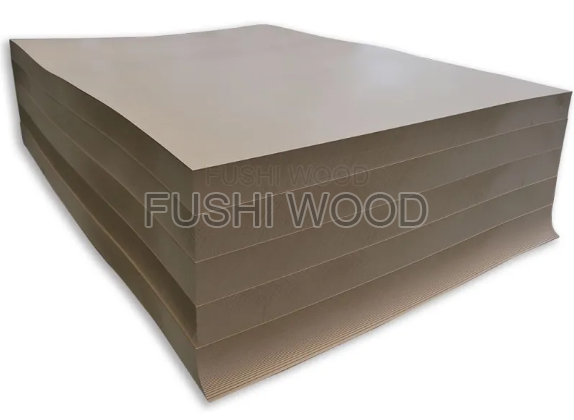
Advantages of High-Density Fiberboard (HDF) & Medium-Density Fiberboard (MDF)
High-Density Fiberboard (HDF) and Medium-Density Fiberboard (MDF) are widely used in construction and interior design due to their versatility and durability.
HDF is an excellent choice for flooring, doors, and paneling, as its dense fiber structure enhances resistance to rot, mold, and moisture, especially when laminated.
MDF, being lighter than HDF, is ideal for furniture and worktops. It is easy to cut, shape, and customize using saws or routers, making it a preferred material for intricate designs.
Both materials are cost-effective and user-friendly, offering high-quality workmanship at an affordable price. Additionally, with the growing focus on sustainability, HDF and MDF are gaining popularity for their non-toxic composition, ensuring safety for both users and the environment.
HDF vs. MDF: Key Differences and Applications
High-Density Fiberboard (HDF) and Medium-Density Fiberboard (MDF) are both engineered wood products, but they differ in density, strength, and applications.
Density and Durability
One of the primary differences between HDF and MDF is their density. MDF has a lower density, making it lighter but also less strong and durable. As a result, it is more prone to warping, splitting, and cracking, making it unsuitable for structural applications.
HDF, in contrast, is much denser and more stable. Its high strength and durability make it ideal for demanding applications such as flooring, doors, and high-impact surfaces.
Manufacturing Process
MDF is produced by breaking down hardwood or softwood fibers into small particles, which are then combined with resin and other additives. This mixture is pressed under high temperature and pressure to create a smooth, uniform sheet with no visible wood grain.
HDF undergoes a similar process, but the fibers are broken down into even smaller particles and mixed with a higher proportion of resin. This results in a denser, harder board with a smoother surface and minimal visible wood grain.
Cost and Application
MDF is a more budget-friendly option, making it suitable for furniture, cabinetry, and decorative applications where strength is not a primary concern.
HDF, while more expensive, offers superior durability and is often used in high-strength applications such as flooring, wall panels, and heavy-duty furniture.
In summary, MDF is a cost-effective choice for non-structural applications, while HDF is the preferred option for projects requiring extra strength and stability.
Common Uses of High-Density Fiberboard (HDF)
High-Density Fiberboard (HDF) is a highly versatile and cost-effective material used in various applications across industries.
In furniture construction and cabinetry, HDF is preferred for its enhanced resistance to humidity and greater strength compared to traditional particle board. This makes it ideal for creating sturdy, durable pieces.
HDF's smooth edges, rigidity, and dent resistance also make it an excellent choice for doors and windows, where both appearance and durability are crucial.
Additionally, HDF is widely used in flooring, particularly in laminate and engineered hardwood options, as it offers extra durability and stability compared to solid wood.
With its combination of affordability, versatility, and strength, HDF continues to grow in popularity for a range of applications.
Common Uses of Medium Density Fiberboard (MDF)
Medium Density Fiberboard (MDF) is a versatile and widely used composite material made from wood fibers and resin. Known for its flexibility and affordability, MDF is a popular choice for a range of applications.
It is commonly used in the production of mass-produced items such as cabinet doors, furniture, shelving units, home decor, and architectural moldings. Its smooth surface and ease of machinability make it a go-to material for these products.
MDF is also favored for storage boxes due to its resistance to dents and scratches, providing durability without the high cost of other materials.
In addition, its smooth finish and excellent glue adhesion properties make MDF a popular choice for art projects and crafts.
Thanks to its affordability, versatility, and ease of use, MDF is suitable for both home projects and larger commercial designs.
Popular Applications for High-Density Fiberboard (HDF) & Medium-Density Fiberboard (MDF)
High-Density Fiberboard (HDF):
HDF is known for its durability and strength, making it popular in various industries. It is commonly used in furniture, cabinets, doors, molding, and flooring applications due to its ability to be cut and molded into intricate shapes without compromising its structural integrity.
HDF is also used as a substrate layer for decorative laminates, like those found on countertops and high-end appliances. Additionally, it is favored by carpenters for its longevity and resistance to rot, making it a reliable choice in construction.
Medium-Density Fiberboard (MDF):
MDF is an engineered wood panel made from wood fibers glued under heat and pressure. It offers advantages such as uniformity, ease of cutting, and cost-effectiveness, which make it popular in construction projects.
MDF is widely used in cabinetry and furniture construction, as it can be painted or laminated to create various colors and textures. It is also used for internal wall padding and as acoustic insulation in sound-sensitive areas like studios.
MDF's structural integrity and lightweight nature make it suitable for shelving units and entertainment centers, contributing to its widespread use across multiple industries.
Advantages and Disadvantages of High-Density Fiberboard (HDF) & Medium-Density Fiberboard (MDF) in Specific Applications
High-Density Fiberboard (HDF) and Medium-Density Fiberboard (MDF) are widely used in applications like cabinet doors, countertops, flooring, shelves, and moldings. Their durability and affordability make them popular in the construction industry, though each has its distinct advantages and disadvantages depending on the application.
HDF is more durable than MDF, offering greater resistance to temperature changes and moisture, reducing the likelihood of expansion, contraction, or long-term warping. However, it is denser, making it heavier and more expensive.
MDF, on the other hand, is lighter and more affordable but lacks the same durability and moisture resistance as HDF. Additionally, MDF contains formaldehyde, which can be harmful when exposed to certain environments over time, posing a concern for those with allergies or respiratory issues.
Both materials offer unique advantages, and the choice between them depends on the specific requirements of the project.

If you would like more information about this product, please feel free to contact us. Recommend other popular products for you: melamine mdf, hmr board, green mdf board, mdf green, green waterproof mdf, 4x8 hardboard, waterproof mdf, is mdf waterproof, hmr board price, coloured mdf board price, melamine veneer particleboard, melamine-finished particleboard, melamine particle board , wood veneer mdf , waterproof mdf , Plain hardboard sheet, Plain hardboard panel, hdf 4x8 sheets, water proof mdf, is melamine stronger than plywood, plywood vs melamine, melamine cabinets vs plywood