Granite Paving– The Ultimate FAQ Guide
Granite paving has been a popular choice for outdoor flooring for many years.
Granite paving has been a popular choice for outdoor flooring for many years. It provides durability, aesthetic appeal, and low maintenance. If you're thinking about using granite pavers for your outdoor flooring project, you might have a lot of questions. In this FAQ guide, all your queries will be answered, from what granite is to the process of installation.
What Is Granite?
Granite is an igneous rock that consists of quartz, mica, and feldspar. It is formed when molten magma cools and solidifies. Granite is known for its durability, hardness, and strength. It's also heat and scratch-resistant, making it an excellent choice for outdoor flooring.
What Are Granite Pavers?
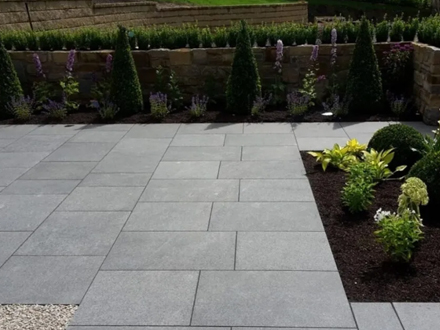
Granite pavers are natural stone flooring materials cut into thin, rectangular shapes. They are used both for landscaping and construction projects. Typically, granite pavers come in various colors, including black, gray, pink, and red. They can also be custom cut to fit your specific project or design.
What Are the Advantages of Using Granite Paving?
Granite paving has a multitude of advantages that make it a popular choice among homeowners and landscapers. Here are some of the advantages:
Durability: Granite pavers are tough, resistant to wear and tear, weather, and foot traffic, making them perfect for high-traffic outdoor areas.
Cost-effective: Granite paving is durable, meaning it doesn't need regular repairs, which saves money in the long run.
Aesthetically appealing: Granite pavers come in various colors and patterns, which can enhance the look of your outdoor space.
Low maintenance: Granite pavers require little to no maintenance, making them an excellent choice for busy homeowners.
What Should You Consider Before Installing Granite Paving?
Before installing granite paving, there are a few essential things to consider.
Location: Before installation, you need to determine the area where you want granite paving. This will give you an idea of how many pavers you need and how much you'll spend.
Climate: Granite paving is perfect for cold climates, thanks to its ability to withstand freezing temperatures. However, it might not be suitable for areas that get too hot.
Design: Determine what type of design you want for your outdoor space. You can choose from various colors, shapes, and sizes to create an attractive and functional design.
Installation Process
Now that you've decided to install granite paving, the next crucial step is the installation process. Follow these steps to ensure a successful installation:
1. Site preparation: Do some groundwork preparation. Remove any grass or debris from the area.
2. Base preparation: Lay down your base material, which could be crushed stone or gravel.
3. Level the surface: Level off the surface with a rake to create a smooth base.
4. Lay the pavers: Begin laying the granite pavers at one corner, ensuring that they're level and evenly spaced.
5. Cut the pavers: If you need to cut the pavers to fit a particular area, use a hammer and chisel or a diamond-tipped saw.
6. Finishing: After the pavers are laid, add some sand to fill in the gaps between them. Use a broom to sweep sand into the joints and compact the pavers.
Where Can You Buy Granite Paving?
If you're looking to buy high-quality granite pavers, there are various suppliers you can consider. Choose a supplier that provides a wide range of granite paving options, has experience in the industry, and is reputable.
A Better Home with Granite
In conclusion, granite paving is an excellent choice for outdoor flooring. It's durable, cost-effective, and aesthetically appealing, making it perfect for creating an attractive and functional outdoor space. Remember to follow the installation process correctly and choose a reputable supplier.
If you're looking to install granite pavers, or have any questions about granites, contact us today. Our expert team can offer you advice and guidance on your next project.